Understanding DPF Regeneration
Diesel Particulate Filter (DPF) regeneration is a crucial process for maintaining the performance and longevity of diesel engines. As diesel vehicles operate, they produce soot and other particulate matter that can accumulate in the DPF, leading to potential engine issues and decreased efficiency. Proper understanding of dpf regeneration is essential for anyone involved in the operation or maintenance of diesel engines, as it plays a significant role in emission control and overall vehicle performance.
What is DPF regeneration?
DPF regeneration refers to the process of cleaning the diesel particulate filter by burning off the accumulated soot. This process can occur automatically (passive regeneration) during normal driving conditions or may require manual activation (active regeneration) when certain conditions are met, such as high exhaust temperatures. The main objective of DPF regeneration is to reduce emissions and prevent clogging, ensuring that the filter continues to function effectively.
Active vs. Passive DPF Regeneration
There are two primary methods of DPF regeneration: active and passive. Passive regeneration occurs automatically when the exhaust temperature is high enough—usually during highway driving—allowing the accumulated soot to burn off. Conversely, active regeneration is a controlled process initiated by the engine management system when the DPF reaches a certain saturation level. During active regeneration, additional fuel is injected into the exhaust stream, which raises the temperature of the exhaust gases to facilitate soot combustion.
Importance of DPF Maintenance for Diesel Engines
Regular maintenance and monitoring of the DPF are critical for ensuring optimal performance of diesel engines. A well-maintained DPF helps reduce harmful emissions, improves fuel efficiency, and enhances engine longevity. Neglecting DPF maintenance can lead to increased soot buildup, potential engine damage, and costly repairs. Therefore, understanding the significance of DPF regeneration and its effects on your diesel engine should be a priority for owners and operators alike.
Signs Your DPF Needs Regeneration
Identifying when your DPF requires regeneration can save time, money, and headaches down the road. Being aware of the signs can help you take proactive measures and maintain peak engine performance.
Indicators of Clogged DPF
- Decreased engine performance and acceleration
- Increased fuel consumption
- Frequent need for regeneration
- Unusual sounds coming from the exhaust
- Black smoke emitting from the exhaust pipe
Common Warning Lights and Messages
Most modern diesel vehicles come equipped with onboard diagnostics systems that alert drivers to potential DPF issues. You may see warning lights on your dashboard, such as the DPF warning light or a check engine light, indicating that regeneration is needed. Additionally, your vehicle's message center may display alerts regarding DPF status, urging you to take action.
Consequences of Neglecting DPF Issues
Ignoring DPF issues can result in serious consequences for your vehicle. A clogged DPF can cause your engine to enter limp mode, reducing power and efficiency. Over time, this can lead to more severe problems, such as engine damage or costly repairs due to excessive soot buildup. Regular monitoring and timely DPF regeneration are essential to avoid these pitfalls.
How to Perform DPF Regeneration
When it comes to performing DPF regeneration, understanding the methods and safety considerations is paramount for effective maintenance.
Step-by-Step Manual Regeneration Process
- Ensure your vehicle is in a safe environment with adequate ventilation.
- Check the vehicle's diagnostics to confirm that regeneration is required.
- Switch the ignition on without starting the engine.
- Activate manual regeneration from the engine diagnostics tool or follow the vehicle manufacturer's guidelines.
- Monitor the process to ensure it runs smoothly; regeneration typically takes about 20-30 minutes.
- Once completed, check for any fault codes and reset the system if necessary.
Using Diagnostic Tools for Effective Regeneration
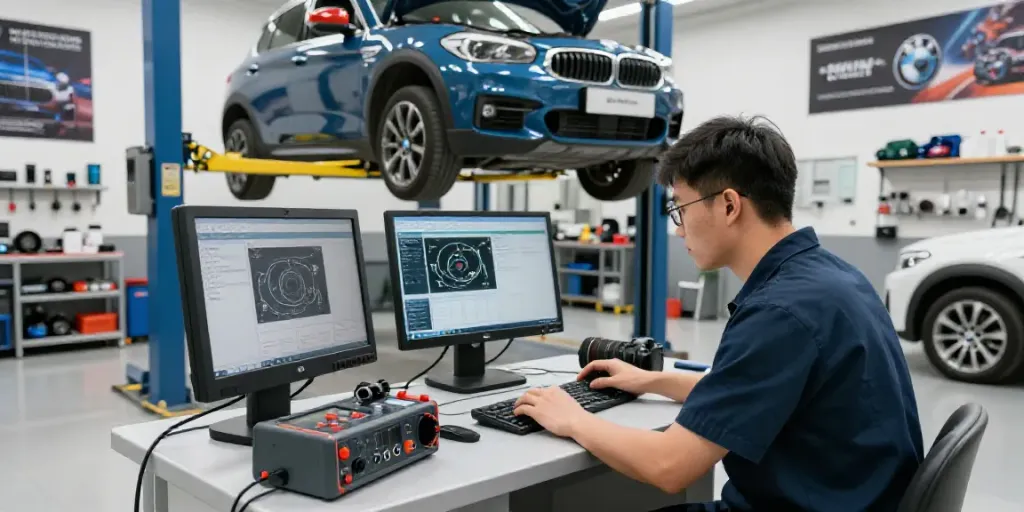
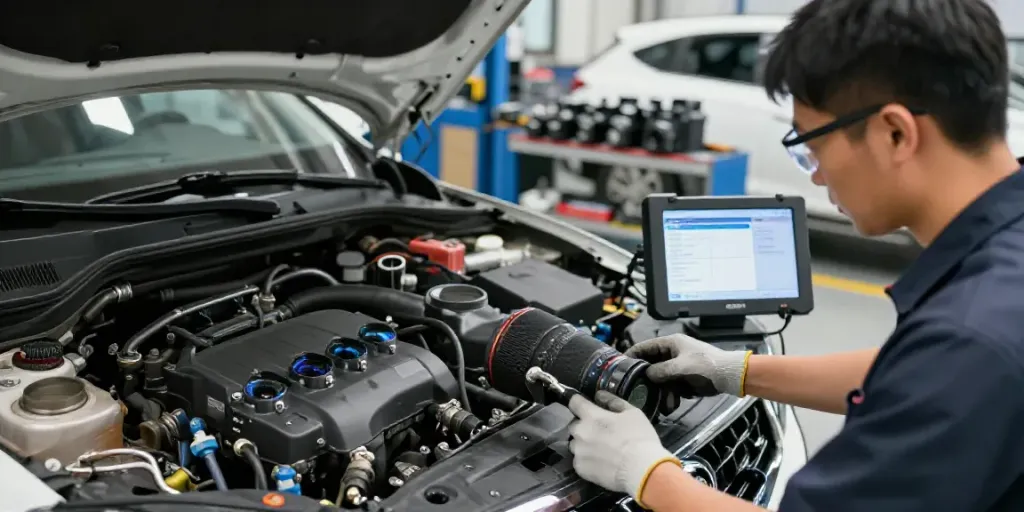
Utilizing diagnostic tools can enhance the regeneration process by providing real-time data on the DPF status and soot level. Diagnostic scanners are capable of initiating regeneration and clearing any fault codes, ensuring the DPF is functioning correctly. Regularly using these tools can help identify potential issues before they become severe problems.
Safety Considerations During DPF Maintenance
Safety should always be a priority when performing DPF maintenance. Ensure you are working in a well-ventilated area, as emissions during regeneration can be harmful. Additionally, allow the exhaust system to cool down before performing any physical maintenance, as components can become extremely hot during regeneration.
DPF Regeneration Solutions and Tools
With the increasing complexity of diesel engines and their emissions systems, having the right tools and solutions for DPF regeneration is essential.
Best Tools for Efficient DPF Cleaning
- DPF cleaning machines: These specialized devices can remove soot and ash efficiently.
- Diagnostic scanners: These tools help monitor DPF status and initiate regeneration processes.
- Ultrasonic cleaning devices: These can effectively clean DPFs without disassembly.
Choosing the Right Regeneration Method for Your Vehicle
Choosing the right regeneration method—be it active or passive—depends on your driving habits and the specific vehicle model. Frequent short trips may require more active regeneration, while long-distance driving might result in effective passive regeneration. Understanding your vehicle's needs will help optimize DPF performance.
Cost Analysis: DPF Cleaning vs. Replacement
When considering DPF maintenance, weighing the costs of cleaning versus replacement is crucial. Cleaning services can range from $150 to $500, while full DPF replacements can set you back anywhere from $1,500 to over $3,000. Regular maintenance can help extend the life of the filter, making cleaning a more cost-effective solution in the long run.
The Future of DPF Technology and Trends
As emissions regulations become stricter, the future of DPF technology is evolving. Manufacturers are continually seeking innovative solutions to enhance DPF efficiency and effectiveness.
Emerging Technologies in DPF Systems
Technological advancements are paving the way for more efficient systems. New materials, such as silicon carbide and advanced ceramics, are being explored to improve DPF function and durability. Additionally, integrated sensors and IoT technologies are enabling better real-time monitoring of DPF conditions, making maintenance easier and more proactive.
Environmental Impact and Regulations for 2026
The push for cleaner diesel emissions continues to grow, with stricter regulations expected by 2026. These changes will require manufacturers to innovate further, developing DPF systems that not only meet regulatory standards but also minimize environmental impact. Owners of diesel vehicles will need to stay informed about these changes to ensure compliance and optimal performance.
Expert Insights on DPF Innovations and Performance
Industry experts emphasize the importance of staying updated on DPF technologies. As innovation progresses, understanding the latest advancements will help vehicle owners and operators make informed decisions about maintenance and performance optimization. Investing in the right tools and knowledge can lead to enhanced emission controls and a more efficient diesel operation.