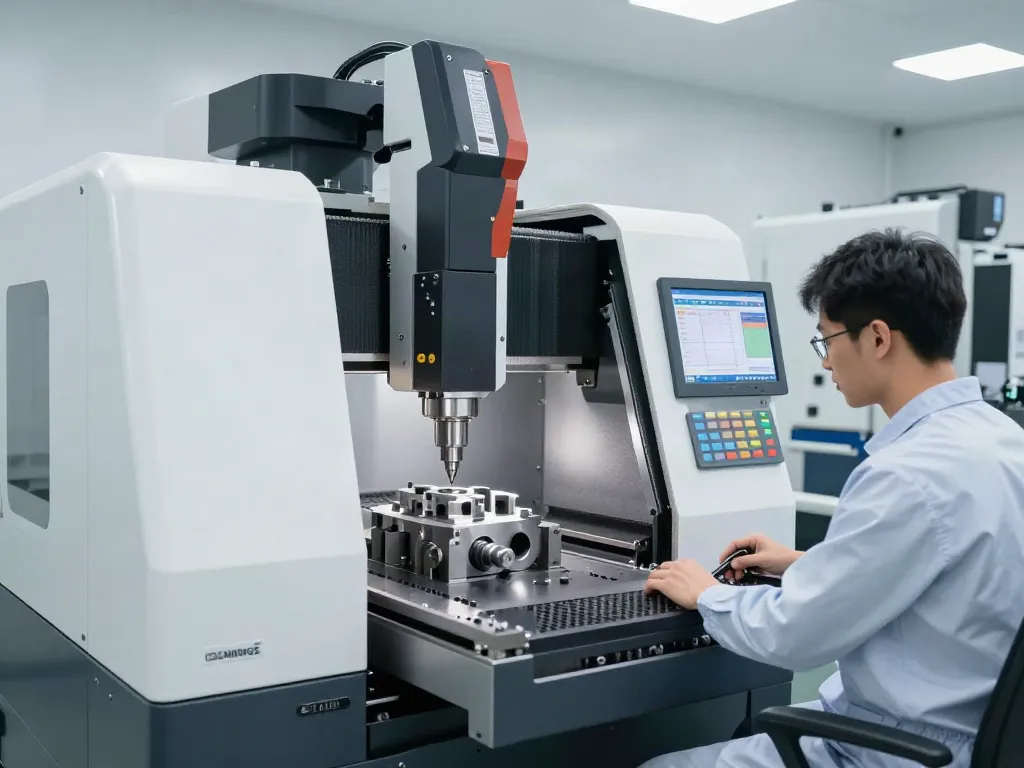
Understanding CNC Machining and Its Importance
CNC machining, short for Computer Numerical Control machining, has revolutionized the manufacturing landscape since its inception. This advanced manufacturing process integrates computer-aided design (CAD) with automated machine tools, resulting in incredibly precise and repeatable production capabilities. As industries evolve and demand for high-quality components increases, the role of a reliable cnc machining parts manufacturer has become ever more crucial. From prototyping to full-scale production, CNC machining is indispensable for creating customized components efficiently and effectively.
What is CNC Machining?
CNC machining utilizes programmable computer software to control machinery tools, such as lathes, mills, and grinders. This automation allows for precision machining of complex parts from various materials, including metal, plastic, and wood. At its core, CNC machining involves the translation of design specifications into a machine-readable format, typically G-code, which dictates the movements of the cutting tools. The benefits of CNC machining include reduced waste, improved efficiency, and enhanced product quality due to minimized human error.
The Role of CNC Machining Parts Manufacturer
The CNC machining parts manufacturer plays a pivotal role in producing components that meet diverse industry standards. They leverage advanced machining technologies and methodologies to manufacture parts that require tight tolerances and intricate designs. By utilizing state-of-the-art computer software in conjunction with high-performance machines, these manufacturers can offer customized solutions that cater to specific client needs, often with quick turnaround times.
Applications Across Various Industries
CNC machining finds its application across a multitude of industries. From aerospace and automotive to electronics and medical devices, it enables the production of parts that are critical for performance and safety. For instance, aerospace components benefit from the durability and precision that CNC machining provides, while the medical field relies on CNC-produced parts for devices that demand high precision and biocompatibility. This versatility positions CNC machining as an essential service provider in modern manufacturing.
CNC Machining Parts: Quality and Precision
Ensuring quality and precision in CNC machined parts is paramount for any manufacturing process. High-quality components not only meet design specifications but also optimize performance in their respective applications. This section will explore the established standards for quality machining and how precision directly affects the functionality of CNC manufactured parts.
Standards for Quality CNC Machined Parts
Quality assurance in CNC machining is guided by several international standards. ISO 9001 certification is a widely recognized benchmark that demonstrates a manufacturer's commitment to quality management. Adhering to this standard ensures manufacturers have systems in place for process improvement and customer satisfaction. Moreover, specific industry standards, such as those outlined by AS9100 for aerospace and ISO 13485 for medical devices, dictate stricter quality control measures to ensure products comply with rigorous safety and performance requirements.
How Precision Impacts Performance
The accuracy of CNC machined parts is a critical determinant of their overall performance. Parts manufactured with high precision ensure better fit and functionality, leading to enhanced operational reliability. Tolerance levels, measured in microns, dictate the acceptable limits of dimensional variation. The ability to produce parts within these tolerances directly influences the final product's integrity and effectiveness in its operational environment.
Tools That Ensure Quality Assurance
To maintain quality, CNC manufacturers employ several advanced tools and methodologies. CMM (Coordinate Measuring Machines) and advanced inspection software allow for real-time monitoring of parts during the machining process. Additionally, utilizing methods such as Statistical Process Control (SPC) helps manufacturers track variations and enhance production consistency. These tools not only assure quality but also empower manufacturers to implement corrective actions promptly when deviations occur.
Trends in CNC Machining Technology for 2026
The landscape of CNC machining is continuously evolving. As technology advances, several key trends are shaping the future of manufacturing. This section highlights the innovative technologies driving change and the evolving demands of the manufacturing industry.
Innovative Technologies in CNC Machining
Emerging technologies such as additive manufacturing (3D printing) and hybrid machining are creating new opportunities for CNC machining. Hybrid machining combines traditional CNC methods with additive processes, enabling the creation of complex geometries that were previously unattainable. Furthermore, the integration of IoT (Internet of Things) devices in machining processes is facilitating real-time data collection and analysis, contributing to smarter manufacturing environments.
The Impact of Automation on Manufacturing
Automation is fundamentally altering the CNC machining landscape. The integration of AI and machine learning algorithms into CNC systems enhances predictive maintenance capabilities, minimizing downtime and fostering efficiency. Fully automated CNC cells, equipped with robotics, can operate 24/7, significantly increasing production rates while reducing labor costs. These advancements underscore the transition towards smarter and more autonomous manufacturing processes.
Emerging CNC Software and Tools
Advanced CNC software is becoming increasingly sophisticated, with options for enhanced simulation capabilities and improved user interfaces. Software tools that facilitate seamless integration with CAD/CAM (Computer Aided Design/Computer Aided Manufacturing) systems streamline the design-to-manufacturing workflow. As these software tools evolve, they are enabling machinists to optimize machining parameters, resulting in both increased productivity and reduced machining costs.
Choosing the Right CNC Machining Partner
Finding the right CNC machining partner is critical for businesses aiming to manufacture components that meet their specific requirements. This section outlines various factors that must be considered when selecting a CNC manufacturer, enabling companies to make informed decisions.
Factors to Consider When Selecting a Manufacturer
When evaluating potential CNC machining partners, several factors should be taken into account. Key considerations include the manufacturer’s experience, technical capabilities, and certifications. Additionally, examining the range of services offered—such as milling, turning, or injection molding—can help determine whether the manufacturer can meet your diverse needs. Finally, customer reviews and case studies can provide valuable insights into the manufacturer’s reliability and quality of service.
How to Assess Technical Capabilities
Assessing the technical capabilities of a CNC machining partner involves a thorough evaluation of their equipment, techniques, and engineering processes. Consideration should be given to the types of CNC machines available, the level of automation, and software proficiency. It is also vital to inquire about their capabilities for handling complex geometries and tight tolerances. A well-equipped manufacturer will be able to demonstrate advanced machining techniques through examples of their past work.
Evaluating Service and Support in CNC Machining
Quality customer service is equally important in the CNC machining industry. Manufacturers should provide transparent communication, responsive support, and timely updates throughout the production process. Service offerings, including post-production support and troubleshooting assistance, add significant value to the overall partnership. A dedicated technical support team can also resolve issues swiftly, ensuring manufacturing continuity.
Addressing Common Myths About CNC Machining
As CNC machining gains popularity, several misconceptions surrounding the technology have emerged. This section aims to debunk common myths and clarify the realities of CNC machining.
Debunking Misconceptions Surrounding CNC Technology
Many believe that CNC machining is only suitable for large-scale production, which is a misconception. While CNC technology is highly efficient for mass production, it is also ideal for small batches and prototyping. Furthermore, there is a belief that CNC machining is excessively costly; however, when accounting for the precision and reduced material wastage, the cost of CNC machining often presents a favorable solution.
Understanding Cost vs. Value in CNC Machining
Cost vs. value is an essential perspective when opting for CNC machining services. While the upfront costs of CNC manufacturing may be higher than traditional methods, the long-term savings gained from reduced waste, faster production times, and improved product quality substantiate the investment. Furthermore, the flexibility of CNC machining allows companies to adapt designs for changing market demands effortlessly, increasing their competitive edge.
The Future of CNC Machining and Its Sustainability
As sustainability becomes a pressing concern across industries, CNC machining is also evolving to minimize its environmental impact. Sustainable practices in CNC machining include using eco-friendly materials, recycling scrap, and optimizing machining parameters to reduce energy consumption. As manufacturers seek to align with global sustainability goals, this trend will likely shape the future of CNC machining significantly.
FAQ: What Are the Benefits of CNC Machining?
CNC machining offers various benefits, including precision manufacturing, efficiency in production, and the ability to create complex geometries. It reduces human error, ensures consistent quality, and can operate continuously, providing a significant advantage in competitive industries.
FAQ: How Does CNC Machining Compare to Traditional Methods?
Comparatively, CNC machining provides greater precision and efficiency than traditional manual machining methods. It significantly reduces lead times and material wastage, making it a more cost-effective solution in the long run. Additionally, CNC machining allows for easy scalability, accommodating both low and high-volume production runs.
FAQ: What Industries Benefit Most from CNC Machining?
Numerous industries benefit from CNC machining, with notable examples being aerospace, automotive, medical, and electronics. Each of these sectors requires high precision, reliability, and adherence to strict regulations, making CNC machining an ideal manufacturing solution.