
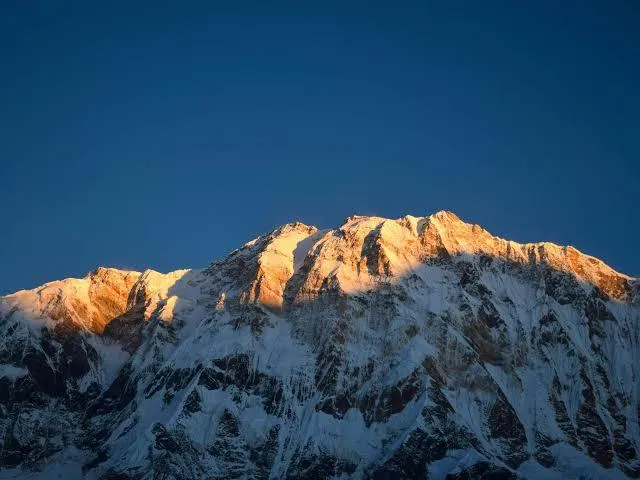
The Everest Base Camp Trek is an unforgettable Himalayan adventure, but it can also be physically demanding. Long walking days, cold temperatures, basic mountain accommodation, and high altitude can make the journey challenging, even for experienced travelers. The good news is that a few practical decisions can make the experience much more comfortable without taking away from the adventure.
From choosing the right itinerary and packing suitable clothing to sleeping well and managing altitude, preparation makes a significant difference. You can also consider upgraded accommodation in selected locations or a helicopter flight back to Lukla to reduce the number of days spent walking on the return journey.
Whether you are a first-time trekker or an experienced hiker, comfort on the trail comes from managing the small details. You do not need to eliminate every challenge. Instead, you need to make sure your body has enough rest, your equipment works properly, and your itinerary gives you time to enjoy the mountains.
Here are 10 practical ways to make your Everest Base Camp Trek more comfortable.
1. Choose an Itinerary That Allows Enough Time
One of the best ways to make the Everest Base Camp Trek more comfortable is to avoid rushing.
The classic trek generally takes around 12 to 14 days, depending on the itinerary, acclimatization schedule, and starting and ending points. Trying to complete the journey in too few days can leave you exhausted and increase the difficulty of adjusting to altitude.
Choose an itinerary that includes acclimatization stops, particularly around Namche Bazaar and Dingboche. These extra nights give your body time to adjust as you climb higher.
A well-planned itinerary should also allow reasonable walking hours, regular breaks, and enough time to reach each teahouse before evening.
Remember that reaching Everest Base Camp is not a race. Walking at a steady pace helps you conserve energy and enjoy the scenery along the way.
If you have extra days available, consider keeping some flexibility in your schedule for weather delays or additional rest. This is especially useful when traveling to Lukla, where flights can be affected by mountain weather.
2. Take a Helicopter from Gorak Shep to Lukla
If you want to make your Everest Base Camp Trek more comfortable, consider taking a helicopter from Gorak Shep to Lukla for the return journey.
On a standard itinerary, trekkers generally walk back from Gorak Shep through Pheriche or Dingboche, Namche Bazaar, and other villages before reaching Lukla. This return section takes several days and involves more uphill and downhill walking after you have already completed the demanding high-altitude part of the trek.
A helicopter flight can shorten this return journey significantly.
After visiting Everest Base Camp and, depending on your itinerary and physical condition, hiking to Kala Patthar, you may be able to fly from Gorak Shep toward Lukla instead of retracing the entire route on foot. This can save several days of walking and reduce fatigue, particularly for travelers with limited vacation time.
An Everest Base Camp Trek with Helicopter Return allows you to experience the classic trekking route on the way up while making the journey back more convenient.
The flight also provides a different perspective of the Khumbu region. From the air, you may see glaciers, mountain valleys, remote settlements, and dramatic Himalayan peaks, depending on the route and visibility.
However, helicopter flights are subject to weather, visibility, landing conditions, and operational restrictions. Flights may be delayed, rescheduled, or unable to operate, so you should retain some flexibility in your plans. Confirm whether your package includes a flight to Lukla or onward to Kathmandu, because these are different arrangements.
This option costs more than walking back, but it can be worthwhile if comfort, time, and reducing physical exertion are priorities.
3. Invest in Comfortable Trekking Boots
Your feet carry you through the entire journey, so comfortable footwear is essential.
The Everest Base Camp trail includes rocky paths, uneven steps, suspension bridges, forest trails, and sections of loose gravel. Poorly fitting boots can cause blisters, sore toes, and foot pain that make each walking day increasingly difficult.
Choose trekking boots that fit securely without squeezing your toes. Your heel should not slide excessively, and you should have enough room in the toe box, especially when walking downhill.
Break in your boots before arriving in Nepal. Wear them on practice walks and longer hikes to identify pressure points before your trek begins.
Good hiking socks are equally important. Wool or synthetic trekking socks can help manage moisture and reduce friction. Carry spare pairs so you can change into dry socks when necessary.
You may also want to bring blister patches and basic foot-care supplies.
Comfortable footwear will not remove the challenge of the trail, but it can prevent small problems from becoming major sources of discomfort.
4. Pack Layers Instead of Heavy Clothing
Temperatures in the Everest region can change considerably throughout the day. Lower villages may feel relatively warm while walking in sunshine, but mornings and evenings at higher elevations can be extremely cold.
Instead of relying on one thick jacket, use a layering system.
Start with a moisture-wicking base layer that keeps sweat away from your skin. Add a fleece or insulating mid-layer for warmth, and carry a windproof and waterproof outer shell to protect you from changing weather.
A warm down jacket is particularly useful during cold mornings, evenings, and high-altitude stops.
Do not forget a warm hat, gloves, comfortable trekking trousers, and extra socks. Sunglasses and sunscreen are also important because sunlight can be intense at high elevations.
Avoid packing too many unnecessary clothes. Heavy backpacks can make uphill walking more tiring.
The goal is to carry enough clothing to stay warm and dry while keeping your load manageable. If you use a porter, organize your belongings so that essentials remain accessible in your daypack.
5. Choose Better Accommodation Where Available
Accommodation on the Everest Base Camp route ranges from basic teahouses to more comfortable lodges with upgraded facilities.
Standard teahouses typically provide a bed, blankets, and shared dining areas. Bathrooms may be shared, and hot showers or charging facilities can cost extra. Facilities become more basic as you travel to higher settlements.
If comfort is important to you, consider booking upgraded accommodation in places where it is available, especially in Kathmandu, Lukla, and Namche Bazaar.
Some lodges offer warmer rooms, attached bathrooms, improved bedding, or more convenient facilities. Availability varies by location and season, so confirm the actual services rather than assuming every property offers the same standard.
At higher elevations, even a comfortable lodge may have limited heating and basic bathroom facilities.
Bring a suitable sleeping bag or confirm whether one is included in your package. A sleeping bag liner can provide an extra layer of warmth and may make shared accommodation feel more comfortable.
Booking through a trekking company can help you understand which lodges are available along your chosen itinerary.
6. Hire a Licensed Guide and Consider a Porter
Having support on the trail can make your trek safer, more organized, and more comfortable.
A licensed trekking guide helps with route planning, local information, daily logistics, and recognizing possible signs of altitude-related illness. A knowledgeable guide can also explain local culture and help you make informed decisions when conditions change.
A porter can carry much of your main luggage, allowing you to walk with a lighter daypack.
This makes a noticeable difference during long uphill sections and on days when you are already feeling tired. Your daypack can contain water, snacks, extra layers, sun protection, personal medication, and other essentials.
If you hire a porter, keep your luggage within the agreed weight limit and pack responsibly. Carry your own valuables, travel documents, and items you may need during the day.
Choose a reputable trekking company that treats guides and porters fairly and provides appropriate equipment and insurance arrangements.
Support from experienced local professionals allows you to focus more on the scenery and less on managing every detail yourself.
7. Eat Well and Stay Hydrated
Walking for several hours each day requires consistent energy. Skipping meals or drinking too little can leave you tired, uncomfortable, and less able to enjoy the trek.
Eat regular meals and choose foods that provide enough carbohydrates, protein, and calories. Popular teahouse options include dal bhat, noodle soup, potatoes, rice, porridge, eggs, and other locally available dishes.
Dal bhat is a particularly practical trekking meal because it provides a combination of carbohydrates and protein, and many teahouses offer refills.
Carry easy-to-eat snacks such as nuts, energy bars, or dried fruit for the trail. Having something available between meals can help maintain your energy.
Drink water regularly throughout the day. Carry a reusable bottle and use a reliable water-treatment method or properly treated drinking water.
Warm drinks can be comforting in cold weather, but do not rely only on tea or coffee for hydration.
Avoid excessive alcohol, particularly as you gain altitude, and do not ignore a persistent loss of appetite or other symptoms that could indicate a health problem.
Good nutrition and hydration support your energy levels and make long trekking days easier to manage.
8. Walk Slowly and Respect Acclimatization
Walking too quickly is one of the easiest ways to make the Everest Base Camp Trek more exhausting than necessary.
As you gain altitude, the amount of available oxygen decreases. Your body needs time to adjust, and even fit travelers can experience altitude-related symptoms.
Maintain a steady pace that allows you to breathe comfortably. Take short breaks when needed, but avoid repeatedly pushing yourself to exhaustion.
Follow an itinerary with appropriate acclimatization days. These often include time in Namche Bazaar and Dingboche, with optional hikes to higher elevations before returning to sleep lower down.
Do not treat acclimatization days as opportunities to prove your fitness. Follow your guide's advice and adjust your plans if you feel unwell.
A mild headache can have several causes, but worsening headache, nausea, dizziness, unusual fatigue, or loss of coordination should never be dismissed. Severe symptoms, confusion, or difficulty breathing at rest require urgent medical attention and descent when appropriate.
Medication does not make rapid ascent safe. Your itinerary should prioritize gradual altitude gain, and your guide should know if you develop symptoms.
Taking your time is not a sign of weakness. It is an essential part of making a high-altitude trek more comfortable and responsible.
9. Bring Small Items That Improve Daily Comfort
A few inexpensive items can make a significant difference during the trek.
A headlamp is useful for early starts, nighttime bathroom visits, and navigating dark teahouse corridors. Bring spare batteries or a reliable charging option.
Earplugs can help you sleep when other trekkers are talking, snoring, or getting ready early in the morning. A sleep mask may also be useful if your room receives light from outside.
Moisturizer and lip balm help protect against dry mountain air, while sunscreen protects exposed skin. Wet wipes or a small personal towel can be useful when shower facilities are limited.
Carry a power bank, but check the charging options available at your accommodation. Cold weather can reduce battery performance, so keep electronic devices warm when possible.
Trekking poles can also reduce strain on your knees during long descents, although they are optional.
You do not need to bring every comfort item from home. Prioritize items that address your own needs and keep your backpack light.
10. Plan for Rest and Enjoy the Journey
A comfortable trek is not only about equipment. It is also about how you organize your days.
Start walking early enough to avoid rushing toward the next village. Take breaks to enjoy the mountain views, eat lunch without hurrying, and arrive at your accommodation with enough time to rest before dinner.
Use evenings to prepare your daypack, refill water bottles, check the next day's weather, and organize your clothing. A simple routine can make mornings less stressful.
Do not feel that you must photograph every viewpoint or keep up with the fastest person in your group. Your experience should match your own pace and physical condition.
If you are tired, communicate with your guide rather than pushing through silently. Small adjustments to walking speed or rest periods can help you manage the journey more comfortably.
Most importantly, remember why you chose to trek in the Himalayas. Take time to enjoy the forests, rivers, villages, monasteries, and mountain views along the way.
Conclusion
Making the Everest Base Camp Trek more comfortable starts with good planning. Choose an itinerary that allows time for acclimatization, wear properly fitted boots, pack warm layers, eat well, and keep your daypack manageable. Better accommodation, a knowledgeable guide, and a porter can also improve your experience.
If you want to reduce the walking time on the return journey, a helicopter from Gorak Shep to Lukla is another option to consider. An Everest Base Camp Trek with helicopter return combines the classic high-altitude trekking experience with a more convenient journey back, although weather and operational conditions can affect flights.
You cannot control every aspect of mountain travel, and some discomfort is part of the adventure. But with the right preparation, you can reduce unnecessary strain, protect your health, and spend more time enjoying one of Nepal's most remarkable journeys.